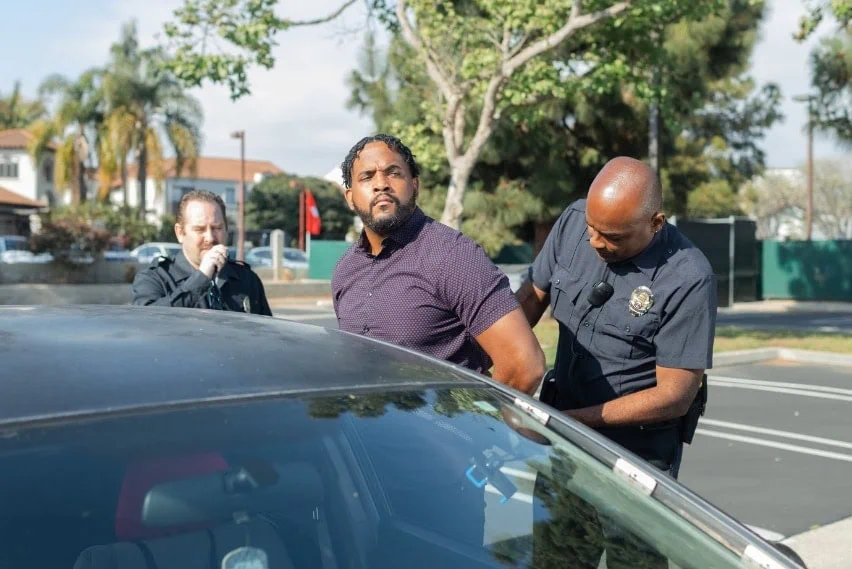
Police misconduct remains a critical issue in contemporary society, raising questions about the integrity, accountability, and ethical standards within law enforcement agencies. From excessive use of force and racial profiling to corruption and abuse of power, these violations not only undermine public trust but also threaten the principles of justice and equality. As discussions surrounding policing intensify, understanding the various forms of misconduct becomes essential in fostering reform and ensuring that law enforcement serves its primary role: to protect and serve the community without prejudice or discrimination.
This article delves into the most common types of police misconduct, examining their implications on both individuals and communities. By shedding light on these issues, we aim to promote awareness and encourage dialogue about the necessary changes needed to build a more transparent and accountable policing system. Ultimately, recognizing these misconducts is the first step toward creating a safer and more equitable society for all.
Excessive Use of Force
One of the most alarming forms of police misconduct is the excessive use of force, which often results in severe injuries or fatalities. This behavior not only violates the principles of proportionality and necessity in law enforcement but also reinforces a culture of fear within communities, particularly among marginalized populations. Incidents of brutality can lead to significant public outrage, catalyzing calls for reform and accountability. Addressing this issue requires a thorough examination of training protocols and a commitment to transparent reporting practices to ensure that officers are held accountable for their actions.
Racial Profiling and Discrimination
Racial profiling is another prevalent form of misconduct that deeply affects community relations and exacerbates systemic inequalities. When law enforcement practices target individuals based solely on their race, ethnicity, or other protected characteristics, it perpetuates cycles of mistrust and resentment. Victims of such practices often experience stress, humiliation, and fear, which can discourage them from seeking help from law enforcement. For a deeper exploration of how racial profiling manifests in various contexts, consider reviewing the post. To foster meaningful change, it is crucial for law enforcement agencies to engage in community dialogue and implement bias training to build a foundation of trust and mutual respect.
In summary, the persistence of common police misconduct not only erodes public trust but also hinders the pursuit of justice and equality within our communities. By acknowledging issues such as excessive use of force and racial profiling, we open the door to critical conversations about reform and accountability in law enforcement. It is imperative for police departments to engage with the communities they serve, reassess their training and operational practices, and actively work towards dismantling systemic biases. Only through genuine commitment to transparency and ethical conduct can we begin to restore faith in policing and cultivate a society where all individuals feel safe and respected under the law. The path to meaningful change lies in recognizing these challenges and collectively striving for a system that prioritizes fairness, dignity, and the fundamental rights of every person.