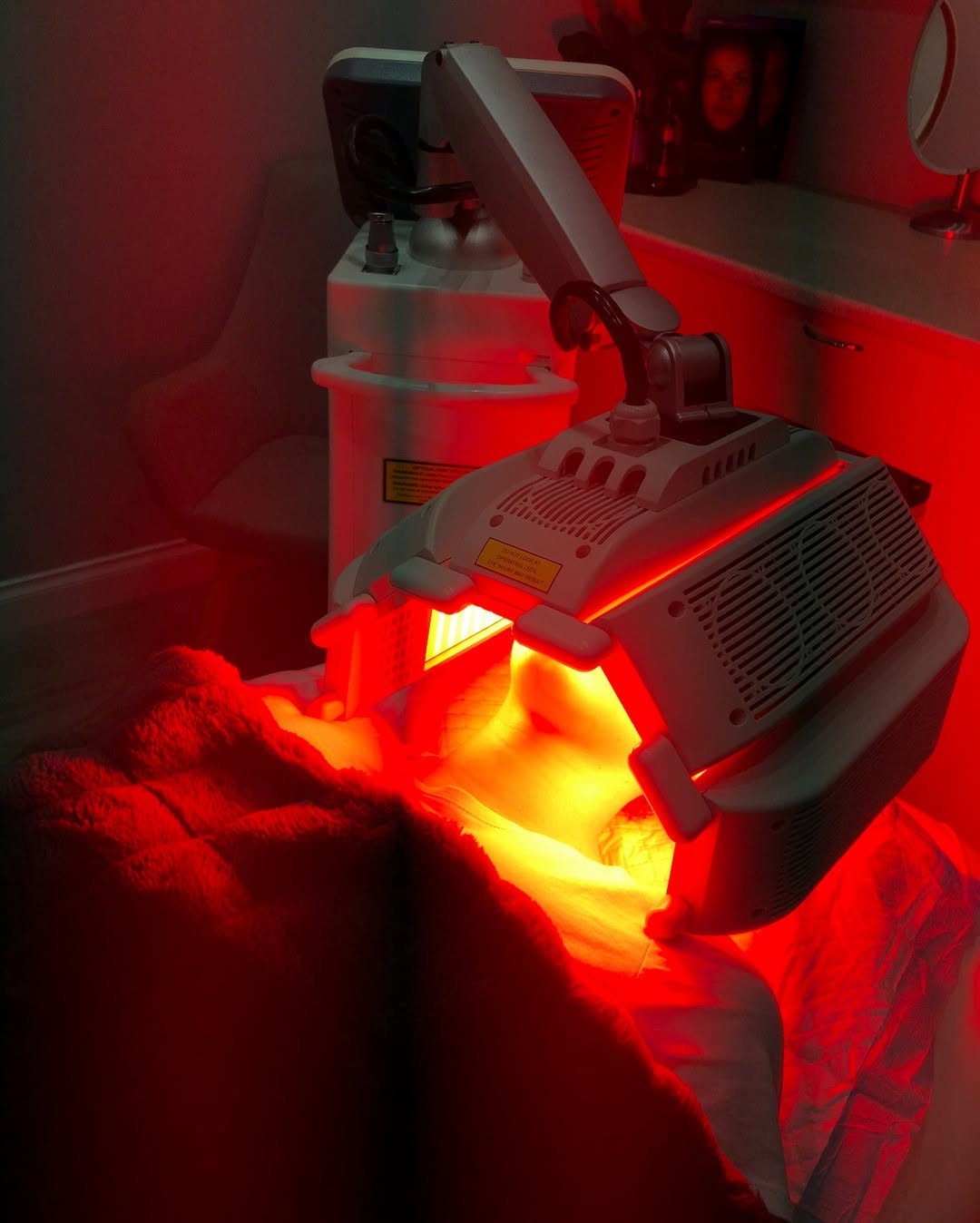
Red Light Therapy (RLT) has gained considerable attention in recent years for its potential to promote healing and skin rejuvenation. Utilizing low-level wavelengths of red light, this non-invasive treatment aims to stimulate cellular processes, encouraging the body’s natural healing mechanisms. Frequent applications of RLT have been linked to a wide range of benefits, including improved skin tone and texture, reduced inflammation, and enhanced muscle recovery, making it an appealing option for both aesthetic and therapeutic applications.
As research continues to unfold, understanding the science behind Red Light Therapy becomes increasingly crucial for consumers looking to explore its efficacy and safety. With an expanding array of devices available on the market and a growing number of health practitioners recommending its use, individuals are encouraged to delve deeper into this innovative therapy. Whether you’re seeking to enhance your skincare routine or looking for relief from specific ailments, this article will explore the various aspects of Red Light Therapy, guiding you on how it works, its potential benefits, and what to consider before embarking on your RLT journey.
Mechanisms of Red Light Therapy
Red Light Therapy operates on the principle of photobiomodulation, where specific wavelengths of light penetrate the skin and promote cellular activity. This process stimulates mitochondria, the energy-producing structures within cells, leading to increased production of adenosine triphosphate (ATP). Enhanced ATP levels facilitate various cellular functions, including repair and regeneration. As a result, RLT not only aids in improving skin health but also supports overall bodily functions, including reducing oxidative stress and modulating inflammation. This makes it an appealing option for a diverse set of uses, from skincare to recovery in sports medicine.
Potential Benefits and Considerations
The array of potential benefits associated with Red Light Therapy spans beyond aesthetic improvements. Many users report enhanced mood and cognitive function, suggesting a role for RLT in mental well-being as well. For those interested in exploring this facet, Red Light Therapy for Mood can offer promising insights into how light therapy may influence emotional health. However, while RLT is considered safe for most individuals, it is crucial to consult with a qualified professional to ensure appropriate use and to discuss any possible contraindications or side effects. As the science evolves, ongoing research will help solidify the therapeutic claims surrounding this innovative modality.
In conclusion, Red Light Therapy stands out as a versatile and promising approach to enhancing both physical appearance and overall well-being. By harnessing the power of specific wavelengths of light to stimulate cellular processes, RLT offers a compelling array of benefits, from improved skin health to potential enhancements in mood and cognitive function. As awareness of its applications grows and technological advancements continue to emerge, individuals can feel empowered to explore this therapy as part of their health and wellness routines. However, it remains essential to approach RLT with informed caution, seeking professional guidance to optimize results and ensure safety. This innovative treatment holds the potential to redefine our understanding of healing and rejuvenation, paving the way for a brighter future in holistic health practices.