S99MY | Bank Transfers vs E-Wallets: Payment Methods Compared

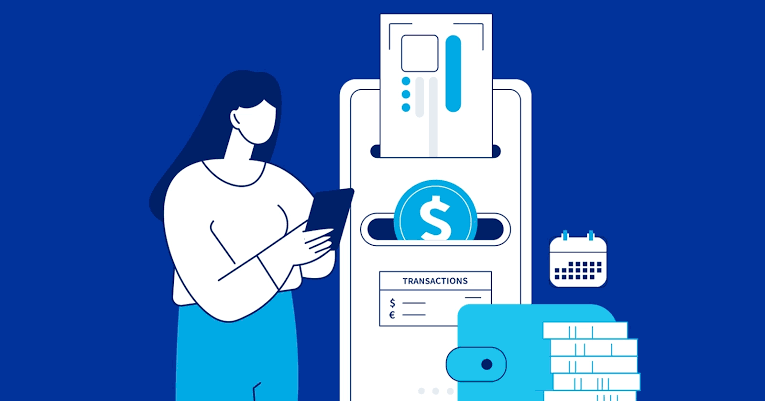
Business Information Name: S99MY Website: https://s99my.com/ Address: 5, 2A Jalan Komersial, Kawasan Mitc, 75450 Ayer Keroh, Melaka, Malaysia Phone: +60164996208 Introduction Digital payments have become an essential part of everyday financial activity in Malaysia. Consumers increasingly use online banking and electronic wallets to pay for purchases, transfer money, and manage transactions through mobile devices. Although both methods support cashless payments, they differ in processing procedures, accessibility, security features, and transaction management. Understanding these differences can help users identify which payment method is more suitable for particular situations. It also provides useful context for evaluating how digital payment systems are integrated into modern online services. Understanding Bank Transfers and Their Features Bank transfers allow users to move money directly between bank accounts through online banking platforms or mobile banking applications. In Malaysia, services such as DuitNow Transfer and Interbank GIRO (IBG) support electronic fund transfers between participating financial institutions. One advantage of bank transfers is their direct connection to existing bank accounts. Users can generally review transaction histories, download statements, and access payment references through their banking applications. Transfer limits and processing times depend on the selected service and financial institution. Security is another important consideration. Banks commonly implement authentication measures such as secure passwords, transaction authorisation, and additional verification procedures. However, users must still verify recipient details carefully before confirming payments, as incorrect transfers may be difficult to reverse. How E-Wallets Compare in Convenience and Transaction Management Electronic wallets provide a different approach by allowing users to maintain a digital balance or connect supported payment sources within an application. Services such as Touch ‘n Go eWallet and GrabPay are familiar examples in Malaysia. They support various activities, including retail purchases, QR payments, and selected online transactions. E-wallets often offer convenient mobile interfaces, transaction notifications, and easily accessible payment histories. However, account verification requirements, wallet limits, supported merchants, and withdrawal conditions vary between providers. Platforms such as S99 provide a relevant reference when discussing how online services interact with digital payment environments. Users exploring S99MY or similar platforms should check which payment methods are officially supported, along with any applicable transaction conditions. The website s99my.com can be considered within this wider discussion of digital payment accessibility. Conclusion Bank transfers and e-wallets both contribute to Malaysia’s growing cashless economy, but they serve slightly different purposes. Bank transfers provide direct movement between financial accounts, while e-wallets offer convenient application-based payment management. Understanding their respective features, verification requirements, and transaction procedures helps users make informed payment decisions. Regardless of the method selected, checking recipient information and using official payment channels remain essential security practices. #s99my #s99mymalaysia #onlinecasinomalaysia #s99mycasino
Ultimate Cybersecurity Services Guide For Businesses

In an increasingly digital world, the importance of cybersecurity has surged to the forefront of business and personal conduct. As cyber threats become more sophisticated, organizations and individuals alike are recognizing the necessity of robust cybersecurity services to safeguard their sensitive data and maintain operational integrity. This article delves into the various aspects of cybersecurity services, highlighting their significance, the challenges they address, and how they can be tailored to meet the unique needs of different users. From proactive threat assessments to incident response planning, cybersecurity services encompass a broad range of solutions designed to protect against data breaches, malware, and other cyber threats. As companies pivot to remote work and cloud computing, the demand for expert guidance and innovative security measures has never been greater. In the following sections, we will explore the fundamental components of cybersecurity services, industry best practices, and the future trends shaping this critical field. The Scope of Cybersecurity Services Cybersecurity services cover a wide array of strategies and tools designed to mitigate risks from cyber threats. These services include vulnerability assessments, penetration testing, and security awareness training, all aimed at fortifying an organization’s digital infrastructure. As businesses increasingly depend on technology, the integration of artificial intelligence and machine learning into cybersecurity solutions has emerged as a pivotal trend, enabling more sophisticated threat detection and response mechanisms. This evolution not only helps in identifying vulnerabilities before they can be exploited but also in automating routine security tasks, allowing human professionals to focus on more complex issues. Adapting to Emerging Threats As cyber threats evolve, so must the strategies employed to combat them. Organizations are called to continuously adapt their cybersecurity frameworks, responding to new vulnerabilities and attack vectors that arise. Customized cybersecurity services are essential for businesses seeking to maintain a competitive edge; thus, tailoring security protocols to specific operational needs can significantly enhance resilience against attacks. Furthermore, staying informed about current trends, such as ransomware, phishing schemes, and insider threats, is crucial for any entity looking to safeguard its assets in this fast-paced digital landscape. In conclusion, the critical role of cybersecurity services cannot be overstated in today’s interconnected environment, where the stakes of digital security are higher than ever. Organizations and individuals must recognize that a one-size-fits-all approach to cybersecurity is insufficient; instead, a proactive and adaptive strategy that encompasses comprehensive assessments, ongoing risk management, and continual education is essential for robust protection. By embracing cutting-edge technologies, such as artificial intelligence and machine learning, and customizing their security protocols to address unique threats, entities can not only defend against potential breaches but also cultivate a culture of security awareness. As cybercriminals become increasingly resourceful, investing in expert cybersecurity services is no longer a luxury but a fundamental necessity for ensuring the longevity and integrity of digital assets in an ever-evolving landscape.