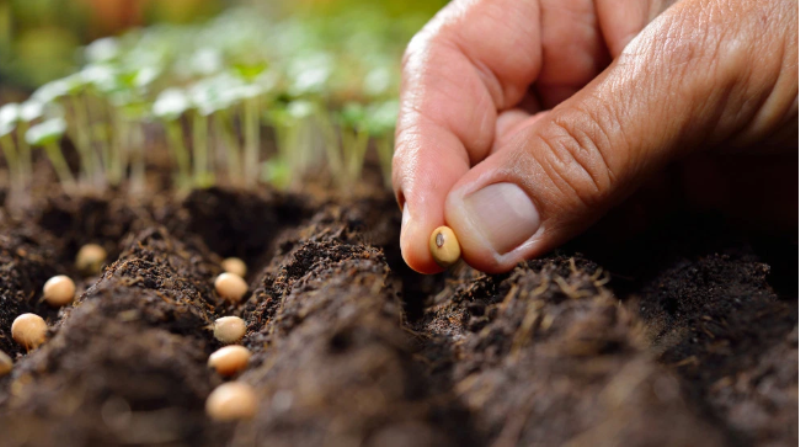
What are the various methods of sowing seeds? Sowing is obviously an important activity in agriculture. It’s the method of germinating seeds in the ground to grow to plants and sowing those seeds in containers to be sown. Planting too is a procedure of putting up seedlings in a protected place, usually a pot, to another place or field.
What are the Different Methods of Sowing Seeds?

The methods of sowing and planting can be divided into two: transplanting and ploughing. Transplanting means putting up seedlings into another place, usually in a shallow container such as a plastic one. There are different techniques to do this, and some work best with certain kinds of seed. Planting usually means putting up seedlings directly into the ground, either by digging a hole and putting them directly in, or by making a hole in the earth big enough to let them go through comfortably, and covering the hole with a loose blanket or similar material so that the seedlings don’t get stuck. Transplanting behind a plough is usually a good idea if you want to save seed for the next season.

One of the techniques used is called drilling. Drilling involves cutting a hole in the earth so that the seed will go through and then leaving a shallow edge. To create the hole, you can use a spade, fork, knife, or even your bare hands. To make it easier, you can put soil in front of the hole and compact it. This will make things easier for the drilling.

One of the methods of sowing that doesn’t involve any drilling is called germination. Germination occurs when the plant starts growing and producing seeds. It takes time, sometimes a year or more, but seed germination does happen. This is usually a simple process that just requires some good timing.

One method of sowing that’s getting more popular is called inter-seed marketing. Basically, you plant a variety of closely related seeds together. If all of them take off in the same direction, you’ve created an inter-genic line. Some people like to inter-plant their alfalfa and clover with their rapeseed, but other people’s inter-plant alfalfa with soybeans and clover with alfalfa, etc. The only thing to remember here is that it takes a lot of time to complete planting a line, and it also costs a little expensive.

Finally, there are also other methods of sowing seeds. There is burring, which involves actually digging up the ground and removing the top layers. Burring can take anywhere from one day to a few weeks, depending on how much of the ground you need to remove. Another method of burring is called broad casting. With broad casting, the young seed comes out the bottom layer, while the older layers come out the top layer. This method can take longer than burring, but it’s much less expensive.

RELATED ARTICLES

Discover a Trusted Auto Glass Repair Shop in Oakville Today!

Located in the heart of the community, Speers Shop is more than just a retail destination; it’s a hub for local flavor, creativity, and connection. Established with the vision of providing a unique shopping experience, Speers Shop features an eclectic mix of products that range from handmade crafts to locally sourced gourmet foods. Its welcoming atmosphere invites customers to explore, discover, and support local artisans, fostering a sense of community and belonging. At Speers Shop, the commitment to sustainability and quality is evident in everything they offer. The shop prides itself on collaborating with local producers and artists, ensuring that each purchase not only enriches the shopper’s life but also supports the local economy. As the demand for distinctive, meaningful shopping experiences grows, Speers Shop stands out as a testament to the power of community, creativity, and conscious consumption. Unique Offerings and Experiences At Speers Shop, every corner unveils a new treasure, reflecting the diverse talents of the local community. Shoppers can find everything from exquisite handcrafted jewelry to artisanal food products that highlight the region’s culinary diversity. The shop regularly hosts workshops and events, providing a platform for local artists and chefs to showcase their skills while engaging the community. For those looking to stay connected and inspired, following Speers Shop on Pinterest offers a glimpse into the latest arrivals and creative ideas to enhance the shopping experience. Supporting Local Artisans The essence of Speers Shop lies in its unwavering support for local artisans, emphasizing the importance of community-driven commerce. By collaborating directly with creators, the shop ensures that each item tells a story, deeply rooted in the local culture and craftsmanship. This commitment not only enriches the shopping experience but also empowers artisans to thrive, making Speers Shop a pillar of the local economy. Shoppers leave not only with unique finds but with a deeper understanding and appreciation for the artistry that surrounds them. In conclusion, Speers Shop embodies the spirit of community and creativity, serving as a vibrant marketplace where local artisans can flourish and consumers can connect with the heart of their locality. As a cornerstone of the community, it fosters not just transactions but relationships, enriching the lives of all who visit. The diverse offerings, from handmade crafts to gourmet foods, not only celebrate the talent within the community but also encourage a culture of sustainability and conscious consumerism. As shoppers leave Speers Shop with their one-of-a-kind treasures, they carry with them a piece of the community’s story, ensuring that the spirit of collaboration and artistry continues to thrive long after they depart. Hamish Reginald View all posts by Hamish Reginald

Guide To Differences Between Co And Co3

Carbon monoxide (CO) and carbonate (CO3) are two distinct chemical entities that play significant roles in various fields, including chemistry, environmental science, and industrial applications. While both compounds contain carbon and oxygen, they differ in structure, properties, and behavior. Understanding these differences is crucial for students, researchers, and professionals who engage with atmospheric chemistry or materials science. In this article, we will explore the fundamental differences between carbon monoxide and carbonate ions. We will delve into their chemical structures, modes of formation, and various applications, highlighting the unique impact each has on the environment and industrial processes. By clarifying the distinctions between CO and CO3, we aim to enhance comprehension and foster informed discussions surrounding these important chemical species. Chemical Structures and Properties Carbon monoxide (CO) is a colorless, odorless gas that consists of one carbon atom triple-bonded to one oxygen atom. Its linear structure and unique bonding give it distinct properties, making it highly reactive and toxic to biological organisms when inhaled. In contrast, the carbonate ion (CO3^2−) features a trigonal planar arrangement with one carbon atom bonded to three oxygen atoms, where one of the bonds is a coordinate covalent bond. This difference in structure not only results in varied chemical reactivity but also influences their roles in environmental processes, such as the formation of acid rain and carbon sequestration. Formation and Applications Carbon monoxide is primarily produced through incomplete combustion of fossil fuels and biomass, often serving as a byproduct in industrial processes. Its ability to bind with hemoglobin in the bloodstream makes it a significant concern for air quality and human health. On the other hand, carbonate ions are found in geological formations as part of minerals and can be formed by the reaction of carbon dioxide with water. The carbonate system plays a crucial role in buffering ocean acidity and regulating carbon dioxide levels in aquatic environments. For more information on the implications of carbon monoxide and its comparison to carbon dioxide, please refer to this resource: co2 kohlenmonoxid. Understanding these differences is essential for developing effective strategies in environmental management and industrial applications. In summary, the contrasts between carbon monoxide (CO) and carbonate (CO3) extend beyond their chemical formulas to their structural configurations, formation pathways, and ecological impacts. CO, with its linear and reactive nature, poses serious health risks as a toxic gas resulting from combustion processes, while CO3, characterized by its trigonal planar structure, plays a vital ecological role in stabilizing pH levels in natural waters and buffering against acidification. Their unique properties and behaviors illuminate their significance in both environmental science and industrial practices, underscoring the necessity of understanding these distinctions for informed decision-making and effective management in various applications. Recognizing how CO and CO3 interact with their environments not only enhances our grasp of chemical principles but also informs the development of strategies aimed at mitigating the adverse effects of pollutants and fostering environmental sustainability. Hamish Reginald View all posts by Hamish Reginald

Leave a Reply

Your email address will not be published. Required fields are marked *