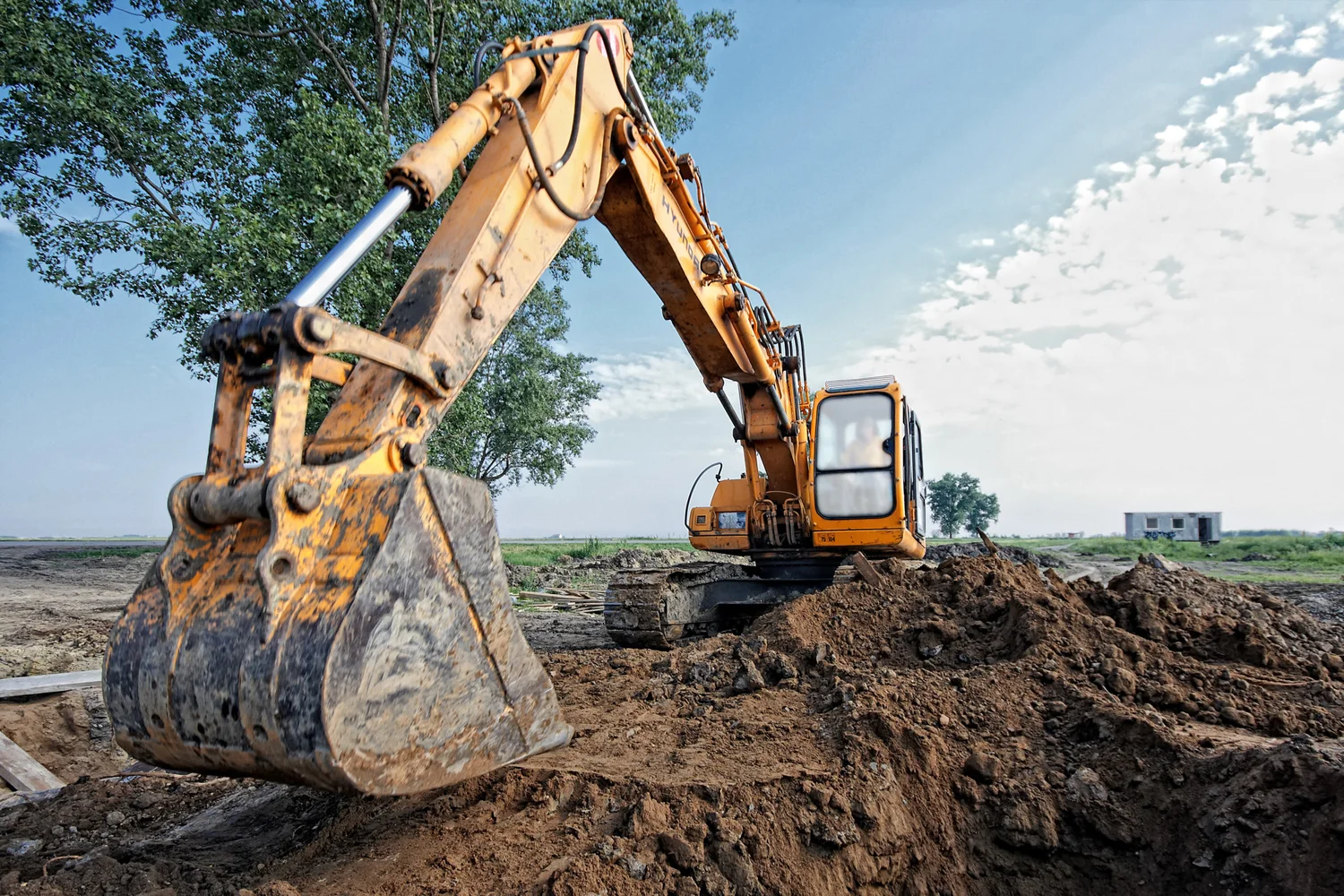
Excavation is a fundamental process that plays a crucial role in various fields such as construction, archaeology, and mining. It involves the systematic removal of soil, rock, or other materials from a specific site, typically to prepare for building foundations, uncover historical artifacts, or extract valuable resources. The techniques and technologies used in excavation have evolved significantly over time, enabling more efficient and precise operations, while also emphasizing the importance of environmental and cultural preservation.
This article delves into the intricacies of excavation, exploring its diverse applications and the methodologies employed by professionals in the field. We will examine the tools and machinery utilized, the safety protocols that must be observed, and the environmental considerations that come into play. Whether it’s a construction site bustling with activity or an archaeological dig revealing the stories of our past, excavation remains a vital process that shapes our physical and historical landscapes.
Techniques and Tools in Excavation
Excavation techniques have evolved dramatically with advancements in technology, allowing for greater efficiency and precision on various projects. Modern excavators employ machinery such as backhoes, bulldozers, and trenchers that can navigate diverse terrains and handle different types of materials. Additionally, tools like laser levels and GPS equipment ensure accuracy during the excavation process. These technologies not only facilitate faster completion of projects but also help reduce human error and environmental impact, underscoring the need for skilled operators in executing complex excavation tasks.
Safety and Environmental Considerations
Maintaining safety during excavation is paramount, as sites can pose various risks including cave-ins, equipment accidents, and exposure to hazardous materials. Professionals are required to adhere strictly to safety protocols, including the use of protective gear and conducting regular site inspections. Furthermore, as awareness of environmental concerns grows, many excavation projects now incorporate sustainable practices. This includes minimizing land disruption and ensuring proper disposal of hazardous waste. Companies offering excavation services often emphasize these measures, aligning their operations with both regulatory standards and societal expectations for responsible resource management.
In conclusion, excavation is an intricate blend of art and science that serves as the foundation for progress across multiple disciplines. As we move forward, the integration of innovative technologies coupled with a commitment to safety and environmental stewardship will define the future of excavation. This evolution not only enhances the efficiency of operations but also preserves the integrity of the sites being worked on, whether they are bustling construction zones or sacred archaeological grounds. As we continue to dig deeper into the earth, we must remain vigilant stewards of our surroundings and history, ensuring that every layer we uncover contributes positively to our understanding and development of the world around us.